If you are trying to find more space on your Los Angeles property, you already know the options out there are tight. Families grow, remote work isn’t going away, and frankly, everyone just wants a little breathing room.
Most homeowners end up stuck between two choices. They are either looking for a dedicated crew of ADU builders Los Angeles to drop a unit in the backyard, or they want to break through their exterior walls for a traditional home addition.
Both routes give you that extra square footage you need. But the truth is, they handle permits, construction mess, and your wallet completely differently.
The Big Picture: Definitions Matter
Before we get into the weeds, let’s make sure we are talking about the same things.
A home addition is exactly what it sounds like. You are expanding the existing footprint of your house. This could mean bumping out your kitchen by ten feet, adding a new primary suite onto the back of the house, or building a second story. You are breaking through existing walls, tying into your current roofline, and extending your main living space.
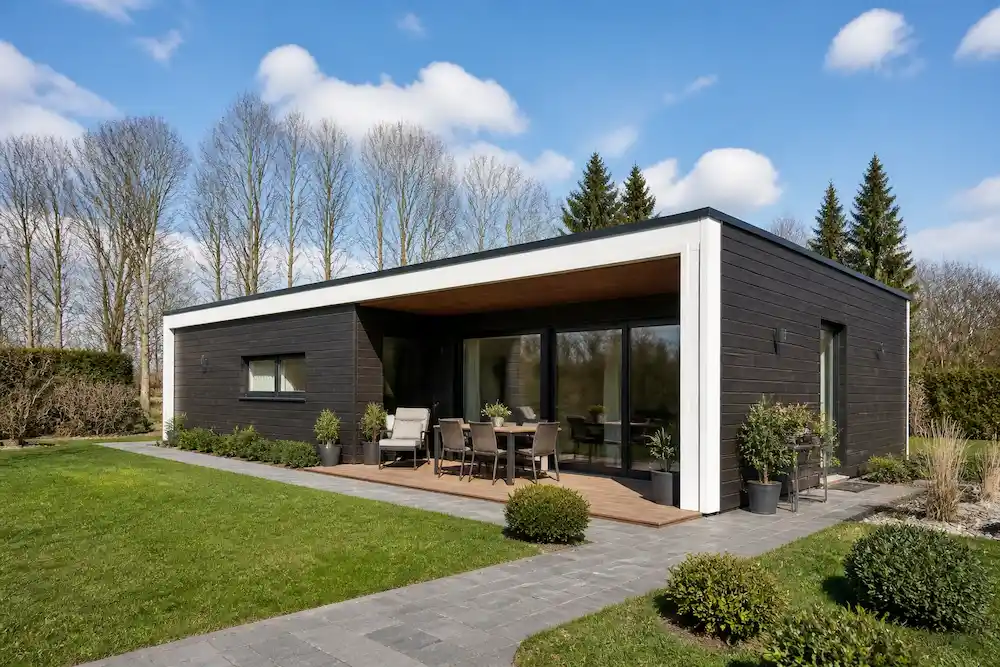
An ADU is a self-contained living unit. It has its own entrance, its own kitchen, and its own bathroom. It can be detached (a standalone structure in your backyard, like a converted garage) or attached to the main house, but it functions entirely independently.
Regulations and Permits: The LA Reality Check
If you have ever tried to get a permit for a minor patio cover in Los Angeles, you know that dealing with local building departments can feel like pulling teeth. However, Sacramento passed some major statewide laws over the last few years that completely changed the game for ADUs.
California essentially stripped local cities of their power to block ADUs. If you have a single-family home, you have a legal right to build an ADU on your lot, provided you follow basic safety and size rules. The approval process is streamlined. In LA, the Department of Building and Safety (LADBS) even has pre-approved standard plans to speed things up. You also get massive breaks on setbacks, sometimes requiring only four feet from your property line.
Traditional home additions do not get this VIP treatment.
When you build a regular addition, you are fully at the mercy of local Los Angeles residential remodeling zoning codes. You have to deal with strict floor-area-ratio (FAR) limitations, lot coverage maximums, and much larger setback requirements from your neighbors. If your design doesn’t fit the strict envelope of your specific neighborhood zone, you are looking at a lengthy, expensive variance process with no guarantee of approval.
The Construction Experience: Chaos in the Kitchen vs. Chaos in the Yard
Let’s talk about sanity. Construction is stressful, period. But the type of stress matters.
With a home addition, the construction is happening inside your life. Workers are tearing down your exterior walls. Dust is floating into your bedroom. Plastic sheets are hanging in your hallways, and you might not have a working kitchen for three months. Many homeowners end up moving out and renting a place during a major addition, which adds thousands of dollars to the actual cost of the project.
With a detached ADU, the chaos is largely contained to your backyard. Yes, there will be trucks in your driveway, concrete mixers blocking the street, and the sound of hammering at 8:00 AM. But at the end of the day, you can lock your back door, pull the blinds, and cook dinner in your own kitchen without a construction worker walking past your table.
Cost vs. Value: Where is Your Money Going?
On a per-square-foot basis, a luxury home addition and a standalone ADU can look pretty similar on paper. You need foundation, framing, roofing, plumbing, and electrical for both. However, the hidden costs differ significantly.
An addition requires tying into your existing home’s structural and mechanical systems. Sometimes, adding a new wing means your old HVAC system can’t handle the load, forcing you to upgrade the entire house. You might also have to bring older parts of your existing home up to current building codes just because you opened up the walls.
An ADU requires its own utility hookups, which can be expensive, but it operates independently.
The biggest financial differentiator is income potential. You cannot easily rent out a bedroom addition to a stranger without losing your privacy. An ADU, however, is a turnkey rental property. In Los Angeles, a well-built ADU can command high rental income, often completely covering the monthly loan payment used to build it.
Here is a direct breakdown of how they stack up across the board:
| Feature | Accessory Dwelling Unit (ADU) | Traditional Home Addition |
| Permit Feasibility | Highly favorable; backed by California state mandates. | Subject to strict local LA zoning, setbacks, and FAR limits. |
| Living Independence | Completely autonomous (private kitchen, bath, and entry). | Integrated into the flow and footprint of the existing home. |
| Construction Impact | Contained to the backyard; less disruption to daily life. | High disruption; often requires moving out temporarily. |
| Primary Value Driver | Immediate rental income potential and flexible multi-gen living. | Boosts primary equity and maximizes interior living space. |
| Utility Rigging | Requires separate plumbing/electrical lines run to the yard. | Ties directly into existing home systems (may require HVAC upgrade). |
| Resale Market Appeal | Appeals heavily to investors and buyers wanting income or guest houses. | Appeals to growing families looking for more primary bedrooms. |
How to Choose for Your Specific Property
Look at your backyard. Do you have an old, detached two-car garage that you just use to pile up old cardboard boxes and lawnmowers? That is a prime candidate for an ADU conversion. Turning an existing footprint into a livable space is one of the smartest financial moves you can make in LA. Experienced ADU builders Los Angeles can flip those structures into gorgeous, modern spaces surprisingly fast.
On the flip side, if you love your yard, have a massive tree you don’t want to cut down, or your lot is entirely sloped, a backyard ADU might not be realistic. In that case, building up (a second-story addition) or pushing out into a small side yard might be your only path forward.
You also need to think about your long-term exit strategy. When you eventually sell your home, what are buyers looking for in your specific neighborhood? In areas with high rental demand or dense living, an ADU is a massive selling point. In suburban family neighborhoods, a five-bedroom house with a massive primary suite might fetch a higher premium than a three-bedroom house with a tiny cottage in the back.
The Bottom Line
There is no one-size-fits-all answer here. If your goal is to maximize your personal daily comfort, give your kids their own bedrooms, or finally get that massive chef’s kitchen you have been dreaming about, a traditional addition is worth the logistical headache. You want to work with luxury home remodelers who understand how to seamlessly blend the new structure with the old architecture so it doesn’t look like an afterthought.
But if you are looking at this purely as a financial investment, looking for a way to build a passive income stream, create a private space for aging parents, or navigate the permit system without losing your mind, the ADU is incredibly tough to beat in today’s regulatory environment.
Before you make a decision, get a professional out to your property. Have them look at your plot lines, your electrical panel, and your foundation. Let them tell you what is actually possible under current codes. It is a lot better to find out what your land allows before you start falling in love with blueprints. If you want to explore what is possible for your property, Black Wall Builders can help you evaluate your space and map out the right strategy for your home.
Frequently Asked Questions
Do I need a separate address or utility meter for a Los Angeles ADU?
Not necessarily. The city just tacks on a “Unit A” designation for your mail. You aren’t forced to install separate utility meters by law, but honestly, if you plan on renting it out to a stranger, you’ll want them. Otherwise, splitting the power bill gets messy fast.
How close to my property line can I build an ADU versus a home addition?
ADUs get a massive pass here. You can build them just four feet off your property line, sometimes right on it if it’s a garage conversion. Try that with a regular home addition, and LA zoning will shut you down—those require five to fifteen feet of clearance.
Will building an ADU or addition cause my property taxes to skyrocket?
Don’t panic, they won’t reassess your whole house. The county just adds a fractional charge based on the value of the new square footage itself. Your base tax stays exactly where it is; you just pay a little extra for the new structure you put in.
Can I build a two-story ADU on my Los Angeles property?
You can. State rules now allow up to 18 or 22 feet in height, meaning a double-decker is totally on the table. Just keep in mind, going vertical means beefing up the foundation and framing, which changes your budget dynamic compared to a standard flat build.
How long does the permitting process take for an addition versus an ADU?
ADUs win by a mile. Because of state mandates, the city has to approve them within 60 days if you check all the boxes. A traditional home addition doesn’t get that fast track. It goes through standard local bureaucracy, which easily eats up four to eight months.