For most grease clogs, the best homemade option is grease-cutting dish soap followed by very hot water, with baking soda as a helpful add-on for residue and odor; baking soda and vinegar alone are usually not the strongest answer for heavy grease.
If your kitchen sink is draining slowly because cooking oil, bacon fat, butter, pan drippings, or greasy food scraps have cooled inside the pipe, use this order:
- Remove as much standing water as you can.
- Pour in liquid dish soap.
- Wait 10 to 15 minutes.
- Flush with very hot water.
- Add baking soda if the drain is still slow.
- Flush again with more very hot water.
A common mistake I see homeowners make is assuming every slow drain needs a fizzy baking soda and vinegar treatment. In real kitchen drains, the problem is often a waxy film of grease and soap scum stuck to the pipe wall, and dish soap plus heat usually does more of the heavy lifting.
Why grease clogs need a different homemade drain cleaner
A grease clog behaves differently from a hair clog, so the best homemade drain cleaner must target fats, oils, soap residue, and food sludge rather than just create bubbles.
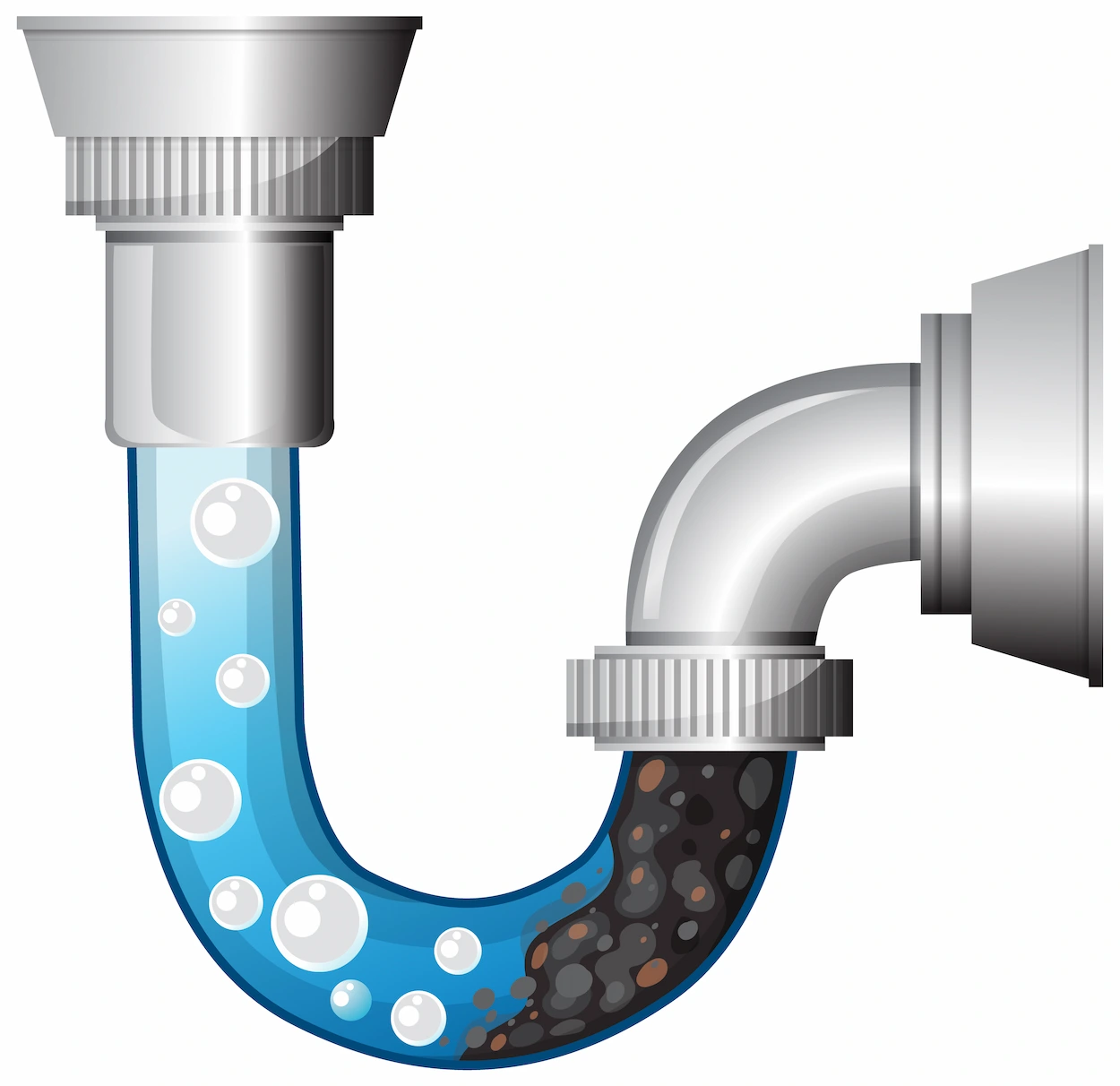
Grease clogs form when liquid fat goes down the sink warm, then cools and hardens inside the drain line. That sticky layer grabs breadcrumbs, coffee grounds, starch, dish soap residue, and food particles. Over time, the kitchen drain gets narrower and slower.
Hair clogs are usually rope-like blockages. Grease clogs are more like pipe coating. That difference matters.
A homemade drain cleaner for a grease clog should do at least one of these jobs:
- Emulsify the grease so water can carry grease away
- Warm and soften the grease layer
- Loosen surface buildup from the pipe wall
- Reduce odor from trapped food residue
Dish soap works because dish soap is a surfactant. A surfactant helps break greasy residue into smaller particles that hot water can move. Baking soda can help scrub light residue and absorb odor. Salt can add mild abrasion. Vinegar has some cleaning value, but vinegar is not the top grease cutter in this situation.
What a grease clog is usually made of
A kitchen sink grease clog often includes:
- Cooking oil
- Bacon grease
- Butter or shortening
- Meat drippings
- Soap scum
- Starchy food paste
- Coffee grounds
- Small food scraps
- Biofilm from drain bacteria
That mix is why a greasy kitchen drain can smell sour, rancid, or musty.
Why the clog often sits near the kitchen sink trap
The P-trap and the first several feet of horizontal pipe are common trouble spots. Grease cools faster there. Water slows there. Food particles settle there. If your garbage disposal drains into the same line, disposal sludge can add to the buildup.
Best homemade drain cleaner recipe for grease clogs
The most effective homemade drain cleaner for a grease clog is a grease-cutting dish soap treatment followed by very hot water, not vinegar foam by itself.
Here is the recipe I would recommend first for a typical slow kitchen drain.
Homemade drain cleaner ingredients for grease
You only need a few items:
- 2 to 4 tablespoons liquid grease-cutting dish soap
- 1/2 cup baking soda
- 1 to 2 kettles very hot water
- A large cup or bowl for removing standing water
- Optional: 1/4 cup table salt for added abrasion
Choose a plain liquid dish soap designed to cut grease. Avoid thick cream cleaners or products with bleach unless the label clearly says the product is safe for drains.
Step-by-step drain cleaning method
- Remove standing water.
Scoop out as much sink water as possible so the homemade drain cleaner reaches the grease clog instead of floating on top. - Pour in the dish soap.
Add 2 to 4 tablespoons directly into the drain opening. Let the dish soap sit for 10 to 15 minutes so the dish soap can coat the greasy residue. - Flush with very hot water.
Pour very hot water down the drain in stages, not all at once. Give the water time to move through the pipe. - Add baking soda if the drain is still slow.
Pour 1/2 cup baking soda into the drain. If you want a little more physical scouring, mix the baking soda with 1/4 cup salt first. - Follow with another hot-water flush.
Wait 5 to 10 minutes, then flush again with very hot water. - Repeat once if needed.
If the drain improves but is not fully clear, repeat the dish soap and hot-water treatment one more time.
Why this homemade drain cleaner works better than a simple vinegar fizz
The dish soap attacks the grease. The hot water softens the grease. The second flush carries loosened residue through the line.
Baking soda and vinegar create fizz. Fizz looks active, but fizz alone does not equal grease removal. In a kitchen sink, you need grease cutting, not just bubbling.
Best water temperature for metal pipes
If your home has metal drain pipes, very hot to near-boiling water is often acceptable for this treatment. Pour slowly and carefully.
Best water temperature for PVC pipes
If your home has PVC or older plastic drain lines, use very hot tap water rather than a rolling boil. Repeated boiling water can stress some plastic joints over time.
Homemade drain cleaner comparison table for grease clogs
Not every homemade drain cleaner works equally well, and the best method depends on whether the grease clog is fresh, partial, old, or mixed with food sludge.
| Homemade Method | Best Use Case | What the Method Does | Approx. Cost | Wait Time | Overall Effectiveness for Grease |
|---|---|---|---|---|---|
| Dish soap + very hot water | Fresh grease clog, slow kitchen sink | Emulsifies grease and helps flush pipe walls | $0.25 to $1.00 | 10 to 15 minutes | Excellent |
| Baking soda + hot water | Light residue, mild odor, minor slowdown | Adds mild alkalinity and helps loosen residue | $0.50 to $1.00 | 5 to 10 minutes | Good |
| Baking soda + salt + hot water | Sticky partial clog with sludge | Adds mild abrasion and loosens buildup | $0.50 to $1.25 | 10 to 15 minutes | Good |
| Baking soda + vinegar | Light odor, minor surface residue | Fizzing action can move light debris | $0.75 to $1.50 | 10 to 15 minutes | Fair for grease, better for odor |
| Enzyme drain cleaner | Ongoing maintenance, repeated minor grease issues | Breaks down organic residue over time | $8 to $20 | Hours to overnight | Good for prevention, not instant |
| Homemade cleaner with standing water left in sink | Poor setup for any method | Dilutes ingredients before contact with clog | Varies | Varies | Weak |
Which homemade drain cleaner should you choose?
Use this simple rule:
- Choose dish soap + very hot water for a classic greasy kitchen sink slowdown.
- Choose baking soda + salt + hot water when the drain is slow and smells dirty.
- Use baking soda + vinegar if odor is part of the problem, but do not expect vinegar to dissolve a thick grease plug quickly.
- Use enzyme cleaners for maintenance between clogs, not as a fast emergency fix.
When the homemade method is likely to work
A homemade drain cleaner has the best chance of success when:
- The sink still drains, even if slowly
- The clog is near the sink trap or nearby pipe
- The grease clog formed recently
- You do not have multiple fixtures backing up at the same time
When the homemade method is less likely to work
A homemade drain cleaner is less likely to solve the problem when:
- Water will not move at all
- The clog has been building for months
- Grease has mixed with a heavy mass of food waste
- A deeper branch line or main line blockage is involved
Safety precautions before using a homemade drain cleaner
A homemade drain cleaner is safer than many caustic products, but you still need to protect your pipes, your hands, and your lungs.
Before you start, follow these safety steps:
- Wear rubber gloves
- Keep your face away from the drain opening
- Do not mix homemade ingredients with leftover chemical drain cleaner
- Use caution with very hot water around stainless steel, porcelain, and disposal splash zones
- Stop if the sink backs up higher instead of draining lower
If you used a store-bought chemical cleaner earlier in the day, do not add vinegar, dish soap, or hot water until you know the drain is safe. Chemical residue can splash back and burn skin or eyes.
Never mix these products in a drain
Do not combine:
- Bleach and vinegar
- Bleach and ammonia
- Chemical drain opener and homemade ingredients
- Hydrogen peroxide and vinegar in the drain at the same time
- Multiple store-bought drain chemicals
Those combinations can create dangerous fumes or heat.
Garbage disposal note
If your kitchen sink has a garbage disposal, turn the garbage disposal power off before working near the drain opening. If the disposal chamber is packed with greasy food waste, clean the disposal baffle and grind chamber first, because the grease clog may be starting there.
Quick disposal cleaning step
For a greasy garbage disposal:
- Turn off power.
- Use paper towels to wipe greasy sludge from the rubber splash guard.
- Restore power.
- Run cold water and a small amount of dish soap.
- Then treat the drain line.
What not to pour down a drain with a grease clog
The wrong product can harden the grease farther down the pipe, damage the drain line, or make the clog harder to remove later.
Avoid these mistakes:
- Do not pour bacon grease, fryer oil, or pan drippings into the sink
- Do not dump coffee grounds into a greasy drain
- Do not add flour or starch-heavy food scraps to a slow drain
- Do not keep repeating vinegar treatments when the grease clog is not improving
- Do not keep using harsh chemical drain cleaner as the first answer
Chemical drain cleaners can create heat and fumes, especially in a partially blocked kitchen line. If the chemical cleaner sits on top of a grease clog, the chemical cleaner may remain pooled in the pipe and create a bigger mess for the next person who has to open the trap.
Why baking soda and vinegar are often overrated for grease clogs
Baking soda and vinegar are popular because the reaction is visible. The foaming looks powerful. The chemistry is real, but the cleaning value for thick grease is often overstated.
When baking soda and vinegar mix, the reaction quickly produces carbon dioxide gas, water, and a salt. After the fizz ends, the drain is left with a mild solution. That mild solution may freshen the drain and shift light debris, but a heavy grease layer usually responds better to soap and hot water.
When a homemade drain cleaner is not enough
Stop the DIY treatment and move to a manual or professional fix if you notice any of these signs:
- Water backs up immediately
- Two treatment cycles do not improve flow
- Multiple drains in the kitchen or home are slow
- Sewer odor is strong
- Gurgling comes from other fixtures
- The kitchen sink trap keeps clogging every week
At that point, the better next step is often:
- Remove and clean the P-trap
- Use a hand auger or drain snake
- Inspect the branch drain
- Call a licensed plumber
How to prevent grease clogs after you clear the drain
The best homemade drain cleaner is the one you rarely need because your daily kitchen habits stop grease from building up in the first place.
Once the drain is moving again, prevention matters more than rescue. Grease clogs return when the pipe wall never gets fully cleaned and new cooking fat keeps sticking to old residue.
Daily kitchen habits that reduce grease buildup
Use these habits every day:
- Wipe greasy pans with paper towels before washing
- Pour cooled fat into a container, not the sink
- Use a sink strainer to catch food scraps
- Run hot tap water with dish soap after washing greasy cookware
- Keep coffee grounds out of the drain
- Limit disposal use for fibrous or greasy food waste
Weekly homemade maintenance routine
A simple weekly routine can keep a kitchen sink drain in much better shape:
- Squirt 1 tablespoon of dish soap into the drain.
- Run hot water for 30 to 60 seconds.
- Add 1/4 cup baking soda if the drain smells stale.
- Flush again with hot water.
This routine is cheap, fast, and far easier than fighting a full blockage on a busy weeknight.
Monthly deep-clean routine for kitchen drains
If your household cooks often, fries food, or washes greasy pans regularly, do this once a month:
- Remove the sink strainer and clean it.
- Clean the garbage disposal splash guard if you have one.
- Add 2 tablespoons dish soap to the drain.
- Flush with very hot water.
- Add 1/2 cup baking soda.
- Wait 10 minutes.
- Flush again with very hot water.
Best prevention plan for busy households
Households that cook with oil often should pair the monthly routine with a grease container near the stove. That one habit makes a bigger difference than most people expect.
Signs your grease clog may be a plumbing problem, not a cleaning problem
If the kitchen sink keeps clogging after proper homemade treatments, the issue may be a pipe configuration problem, a partial blockage farther down the branch line, or buildup in old drain piping.
Watch for these patterns:
- The kitchen sink drains, then backs up hours later
- The dishwasher causes water to rise in the sink
- The sink gurgles when the washing machine drains
- A basement drain smells or backs up
- The same clog returns within days
Older homes with cast iron, galvanized steel, or rough interior pipe surfaces can collect grease faster. A sagging horizontal drain can also trap grease and food solids. No homemade cleaner can correct pipe pitch or repair damaged plumbing.
When calling a plumber makes sense
Call a plumber if:
- The clog is fully blocked
- You suspect a deeper line issue
- You have repeated grease clogs despite good habits
- You smell sewage
- You are dealing with old, fragile piping
A professional can snake the line, inspect with a camera, or recommend drain repair if the branch line is failing.
Frequently Asked Questions
What is the fastest homemade drain cleaner for a grease-clogged kitchen sink?
The fastest homemade drain cleaner for a grease-clogged kitchen sink is liquid dish soap followed by very hot water. Dish soap cuts grease better than vinegar foam, and hot water helps move loosened fatty residue through the pipe.
Can baking soda and vinegar dissolve grease in a drain?
Baking soda and vinegar can help freshen a drain and shift light residue, but baking soda and vinegar are usually not the strongest option for thick grease buildup. For a true grease clog, dish soap and hot water are usually more effective.
Is boiling water safe for PVC drain pipes?
Boiling water can be too aggressive for some PVC drain systems, especially older plastic joints. For PVC, use very hot tap water instead of a rolling boil, and pour slowly.
Why does my kitchen sink grease clog keep coming back?
A recurring grease clog usually means greasy residue is still coating the pipe wall, or the blockage sits deeper in the branch line than a homemade cleaner can reach. Repeated clogs can also point to disposal sludge, poor drain slope, old rough piping, or habits like pouring oil and food scraps into the sink.