Unclogging a kitchen sink naturally involves loosening, dissolving, and removing food scraps, grease, soap residue, and minor blockages with non-caustic household ingredients and manual clearing methods to achieve normal water flow.
For most kitchen sink clogs, the fastest natural fix is to remove standing water and visible debris, flush the drain with very hot water, add baking soda followed by white vinegar, wait 10 to 15 minutes, then finish with hot water and a sink plunger; if the blockage remains, clean the P-trap or use a manual drain snake.
A common mistake I see homeowners make is reaching for a harsh chemical drain cleaner before checking the sink strainer, disposal opening, or trap. In many kitchens, the real problem is not deep in the line. It is a greasy wad of food particles sitting much closer than you think.
Fast Answer: How to Unclog a Kitchen Sink Naturally
Start with the least invasive kitchen sink method, then move to the more hands-on drain clearing steps only if the water still stands in the basin.
Follow this order:
- Remove standing water with a cup or bowl.
- Pull out visible food debris from the sink strainer or drain opening.
- Pour very hot water into the drain.
- Use boiling water only for metal pipes.
- Use hot tap water, not boiling water, for PVC or older plastic fittings.
- Add 1/2 cup baking soda to the drain.
- Add 1 cup white vinegar.
- Cover the drain opening for 10 to 15 minutes.
- Flush again with hot water.
- Use a sink plunger for 2 seconds if the drain is still slow.
- If the kitchen sink is still clogged, remove and clean the P-trap.
- If needed, use a manual drain snake to clear the drain line beyond the trap.
That sequence solves a large share of common kitchen sink clogs caused by grease, soap film, coffee grounds, starchy residue, and softened food scraps.
Natural Kitchen Sink Methods Compared
The best natural kitchen sink unclogging method depends on what is actually blocking the drain.
| Natural kitchen sink method | Best for | Typical time | Estimated US cost | Pipe safety | Limits |
|---|---|---|---|---|---|
| Very hot water flush | Light grease, soap residue | 5-10 minutes | $0-$1 | Safe for metal pipes; use caution with PVC | Weak on solid food clogs |
| Baking soda and white vinegar | Mild organic buildup, odors | 15-30 minutes | $1-$3 | Usually safe for most household drains | Not strong enough for dense blockages alone |
| Dish soap and hot water | Fresh grease clogs | 10-15 minutes | $0-$2 | Safe for most kitchen drains | Less effective on old buildup |
| Sink plunger | Localized blockage near trap | 5-10 minutes | $8-$15 reusable | Safe when used correctly | Needs enough water for suction |
| Salt and baking soda overnight | Greasy film, slow drains | 6-8 hours | $1-$2 | Safe for most drains | Slow result |
| P-trap cleaning | Food sludge caught in trap | 20-40 minutes | $0-$5 | Effective and direct | Hands-on and messy |
| Manual drain snake | Stubborn clog past trap | 15-30 minutes | $15-$30 reusable | Safe if used carefully | Requires patience and control |
What Causes a Kitchen Sink Clog Over Time
Most kitchen sink clogs are not caused by one dramatic event; most kitchen sink clogs form slowly as grease, food particles, and soap residue collect inside the drain pipe.
The kitchen sink drain deals with more than water. It handles cooking oil, butter, dish soap, starch, coffee grounds, vegetable peels, and tiny food scraps that slip past the strainer. Even if each amount seems small, the drain line keeps collecting residue.
Grease is one of the biggest offenders. Liquid grease looks harmless when warm, but grease cools inside the pipe wall and turns tacky. Then the grease layer grabs rice, pasta, eggshell fragments, crumbs, and soap scum. The drain opening narrows. The water slows. Then the kitchen sink backs up.
Other common causes include:
- Food waste pushed into the drain without enough water
- Coffee grounds packed into the trap
- Fibrous vegetables like celery or onion skins
- Flour and dough that form paste
- Soap residue that traps grease
- Garbage disposal sludge
- Foreign objects such as twist ties, produce stickers, or small bottle caps
If you have a double-basin kitchen sink, the issue can also hide in the baffle tee or shared waste arm between the two sink bowls. That setup often traps grease and food sludge more easily than homeowners expect.
Tools and Natural Ingredients for a Kitchen Sink Drain Clog
You do not need a truck full of plumbing tools to clear most kitchen sink clogs naturally, but you do need the right short list of supplies.
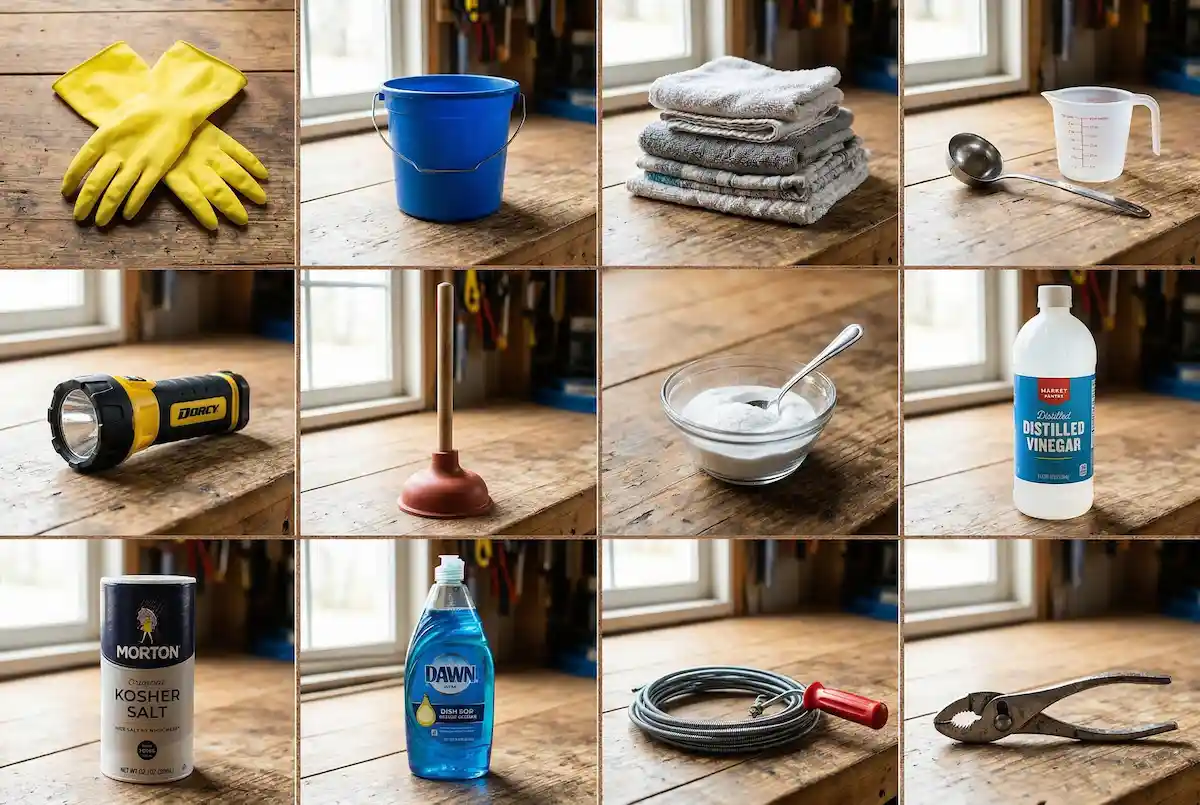
Keep these items nearby before you begin:
- Rubber gloves
- Small bucket
- Old towels or rags
- Cup or ladle for removing standing water
- Flashlight
- Sink plunger
- Baking soda
- White vinegar
- Table salt or kosher salt
- Dish soap
- Manual drain snake or plastic drain tool
- Slip-joint pliers if your P-trap fittings are tight
If your kitchen sink has a garbage disposal, add these steps to your prep:
- Turn off the disposal at the wall switch
- Unplug the disposal if the plug is accessible
- Never put your hand into the disposal chamber
- Use tongs or pliers to remove visible debris
One safety note matters a lot: if you already poured chemical drain cleaner into the kitchen sink, do not plunge the drain or open the trap until you are sure the drain cleaner has been fully flushed and diluted. Splashing caustic liquid onto your skin or eyes is not worth the risk.
How to Unclog a Kitchen Sink Naturally Step by Step
A natural kitchen sink unclogging job works best when you combine heat, physical removal, and pressure instead of relying on one household ingredient alone.
Remove Standing Water From the Kitchen Sink Basin
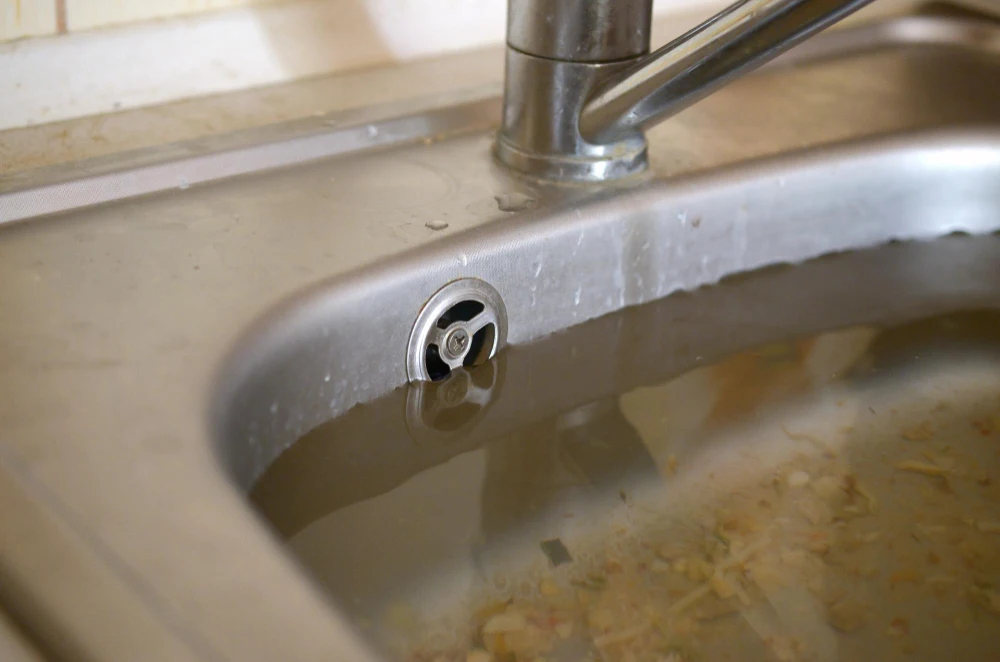
Standing water makes every next step harder. Scoop the water out with a cup, bowl, or small container and dump the water into a bucket or a nearby toilet.
Once the basin is mostly empty, remove the sink strainer or stopper. Pull out any visible food scraps, sludge, or slimy debris caught around the drain opening. This is not glamorous. It works.
If the clog is shallow, that simple step can restore most of the flow.
Flush the Kitchen Sink Drain With Hot Water
Run very hot tap water for a minute first. Then pour hot water directly into the drain in stages.
If your kitchen drain pipes are metal, you can use boiling water. If your kitchen sink uses PVC or older plastic trap parts, use very hot tap water instead. Repeated boiling water can stress plastic fittings over time.
Hot water helps soften grease and move soap film. For a grease-heavy kitchen sink, add a few drops of dish soap first, then follow with hot water to help break up oily residue.
Use Baking Soda and White Vinegar in the Kitchen Sink Drain
Pour about 1/2 cup baking soda into the drain. Follow with 1 cup white vinegar. Cover the drain opening with a plate, stopper, or damp cloth so the fizzing action stays concentrated inside the pipe.
Let the mixture sit for 10 to 15 minutes. Then flush with hot water.
This is the point where a lot of articles oversell the reaction. Here is the real answer: baking soda and vinegar can help loosen light organic sludge and deodorize the drain, but the fizz is not magic. The method works best when the blockage is mild or when you pair the reaction with hot water and plunging.
Plunge the Kitchen Sink Drain Correctly
Add enough water to the sink basin to cover the plunger cup. Place the sink plunger over the drain opening and create a firm seal.
If you have a double kitchen sink, block the second drain opening with a stopper or wet rag before plunging. Then pump the plunger up and down 20 to 30 seconds with steady force.
Lift the plunger and check the water movement. If the water drains faster, repeat once or twice.
A good plunge can break loose a blockage near the trap or waste arm that baking soda and vinegar alone will not move.
Try Salt and Baking Soda for a Slow Kitchen Sink Drain
If the kitchen sink is draining, but slowly, an overnight treatment can help. Mix 1/2 cup salt and 1/2 cup baking soda, pour the mixture into the drain, and leave it for several hours or overnight.
Flush with hot water in the morning. This method is useful for greasy film and mild residue, especially in a sink that smells stale but is not fully blocked.
It is slow, though. Use it as a follow-up treatment, not your first move for a sink full of standing water.
Clean the Kitchen Sink P-Trap
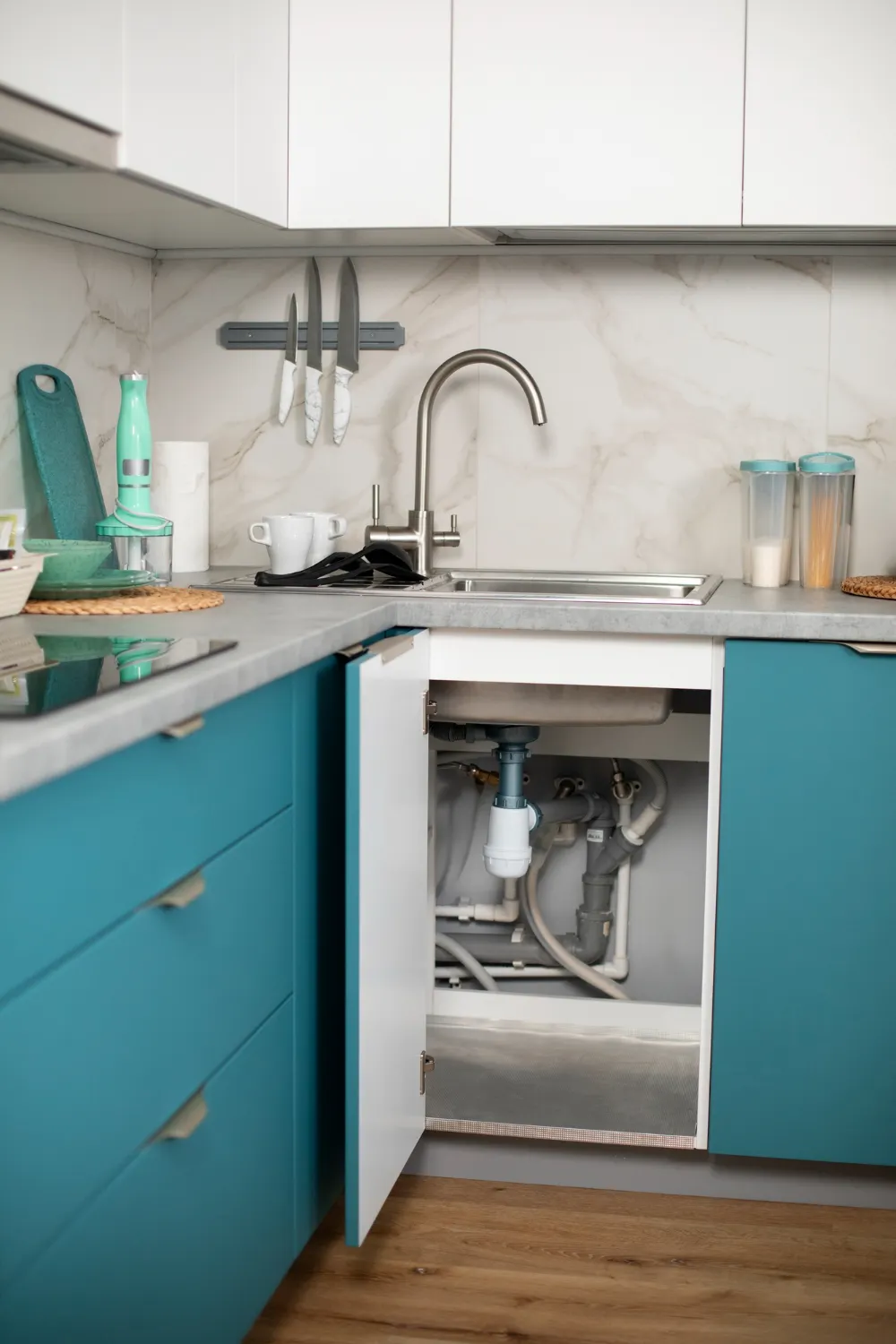
Place a bucket under the P-trap. The P-trap is the curved pipe under the sink that holds water to block sewer gas.
Loosen the slip nuts by hand or with pliers. Remove the trap carefully and dump the water and sludge into the bucket. Then scrub out the trap with hot water and an old bottle brush or disposable rag.
This step often solves the problem when the clog is made of heavy food waste, grease paste, or coffee grounds. Reattach the trap, tighten the fittings, and run water to check for leaks.
For many homeowners, this is the turning point. Messy. Fast. Effective.
Use a Manual Drain Snake for a Stubborn Kitchen Sink Clog
If the P-trap is clear but the kitchen sink still backs up, the blockage may sit farther down the drain line. Feed a manual drain snake slowly into the drain arm beyond the trap.
Rotate the handle as you push. When you feel resistance, keep turning gently to catch or break through the clog. Pull the snake out, clean off the debris, and repeat if needed.
Finish with hot water. If the sink drains normally again, you likely removed the blockage or opened a path through it.
How to Unclog a Double Kitchen Sink Naturally
A double kitchen sink clog often behaves differently because both basins share part of the same drain path.
If one side fills up when you run water in the other basin, the blockage is usually in the shared drain section below the two sink bowls, not in the individual basket strainer. That shared section can trap grease, disposal sludge, and food particles.
Use this process:
- Empty both sink basins.
- Block one drain opening tightly with a stopper or wet cloth.
- Plunge the other basin.
- Switch sides and repeat.
- If both sides still back up, clean the P-trap and inspect the baffle tee or connecting waste pipe.
If your double sink has a garbage disposal on one side, the clog may be on the disposal side, in the cross pipe, or just after the disposal discharge. That is why plunging one side without sealing the other usually does very little. The air simply escapes through the second basin.
How to Unclog a Kitchen Sink With a Garbage Disposal Naturally
A garbage disposal clog should be treated as both a drain problem and a disposal problem, because the grinding chamber and the drain line can both trap debris.
First, turn off power to the disposal. If possible, unplug the unit. Never reach into the disposal with your hand.
Then follow these steps:
- Use tongs or pliers to remove visible food debris.
- Check whether the disposal hums, spins freely, or seems jammed.
- If the disposal is jammed, use the manufacturer’s hex key in the bottom turning slot to rotate the motor manually.
- Press the red reset button if the unit overheated.
- Run cold water and test the disposal briefly.
- If water still backs up, use the natural drain-clearing steps above.
Do not pour large amounts of coffee grounds, pasta, rice, potato peels, eggshells, or grease into a garbage disposal. A garbage disposal is not a grease dissolver. It is not a trash can either.
Also skip the old myth about dumping lemon peels down the disposal to “clean” it. Citrus peel can freshen odor for a moment, but peels do not solve sludge buildup, and too much fibrous material can add to the problem.
What Not to Do When a Kitchen Sink Drain Is Clogged
The wrong kitchen sink unclogging habit can turn a simple blockage into a damaged pipe, a leaking trap, or a much bigger plumbing bill.
Avoid these mistakes:
- Do not keep running water into a fully blocked sink.
- Do not mix chemical drain cleaners with natural ingredients.
- Do not pour grease or bacon fat into the drain.
- Do not use boiling water on PVC if you are unsure of the pipe condition.
- Do not force a drain snake aggressively; you can damage fittings.
- Do not ignore slow draining for weeks.
- Do not use a toilet plunger; use a sink plunger with a flat rim.
- Do not assume the garbage disposal can handle every type of food waste.
Another common mistake is repeating baking soda and vinegar five or six times in a row while the sink remains fully blocked. If one round plus hot water and plunging did nothing, the kitchen sink likely needs mechanical clearing. That means trap cleaning or snaking.
When a Natural Kitchen Sink Fix Is Not Enough
If the kitchen sink clog keeps returning, affects multiple fixtures, or causes gurgling and backup elsewhere, the problem may be deeper in the plumbing system than a natural surface treatment can reach.
Watch for these warning signs:
- The kitchen sink backs up every few days
- Water rises in the other sink basin when one side drains
- Dishwasher water comes up into the sink
- You hear loud gurgling in the drain
- A bathroom sink or toilet also drains slowly
- The clog returns even after trap cleaning
- There is a sewer odor under the sink or near the drain
Those symptoms can point to a blockage farther down the branch line, a vent issue, or even a main line problem. At that point, a plumber may need a longer auger, a camera inspection, or professional drain cleaning equipment.
Natural methods are excellent for routine kitchen sink blockages. They are not a cure for every plumbing failure. Knowing the difference saves time and frustration.
How to Prevent a Kitchen Sink Clog
The easiest kitchen sink clog to fix is the one you never allow to form.
Daily habits matter more than any homemade drain treatment. The kitchen sink drain stays clear longer when you reduce grease, trap solids before they enter the drain, and flush the line with hot water on a regular basis.
Use these prevention habits:
- Scrape food scraps into the trash or compost before washing dishes
- Use a sink strainer to catch solids
- Never pour cooking oil, grease, or fat into the drain
- Wipe greasy pans with paper towels before rinsing
- Run hot water after washing dishes
- Use dish soap and hot water after cooking oily meals
- Clean the garbage disposal regularly with cold water and light dish soap
- Flush the kitchen sink weekly with very hot water
- Use baking soda followed by hot water as a periodic deodorizing treatment
If your home has a septic system, these gentler habits help even more. Less grease and food sludge in the drain line means less strain on the entire waste system.
A simple monthly routine works well:
- Remove and clean the sink strainer.
- Pour hot water down the drain.
- Add a small amount of dish soap if grease is common.
- Check the area under the sink for leaks or slow drips.
- Address slow drainage early.
Small maintenance beats emergency cleanup. Every time.
Frequently Asked Questions About Unclogging a Kitchen Sink Naturally
Can baking soda and vinegar damage kitchen sink pipes?
Baking soda and white vinegar are usually safe for most household kitchen sink drains when used occasionally. The bigger concern is not the mixture itself; the bigger concern is using it after a chemical drain cleaner, which can create a dangerous reaction or splash hazard.
What dissolves grease in a kitchen sink naturally?
Hot water and dish soap are often the best natural first step for fresh grease buildup because dish soap helps break up oily residue while heat softens the grease. For older grease clogs, you may still need plunging, P-trap cleaning, or a manual drain snake.
Why is the kitchen sink still clogged after baking soda and vinegar?
A kitchen sink can stay clogged after baking soda and vinegar when the blockage is too dense, too far down the drain line, or packed with food sludge, coffee grounds, or disposal waste. In that case, mechanical clearing usually works better than repeating the same household mixture.
How do you unclog a double kitchen sink naturally when both sides back up?
Seal one drain opening, then plunge the other side so pressure moves through the shared waste line instead of escaping through the second basin. If both basins still hold water, clean the P-trap and inspect the connecting pipe under the sink because the clog is often in that shared section.
Is it safe to pour boiling water down a kitchen sink drain?
Boiling water is generally safer for metal drain pipes than for PVC or older plastic trap parts. If you are unsure what type of piping is under your kitchen sink, use very hot tap water instead of a full boiling kettle.
The most reliable natural way to unclog a kitchen sink is to combine visible debris removal, hot water, baking soda and vinegar, plunging, and hands-on trap cleaning in a logical order rather than relying on a single “miracle” ingredient.